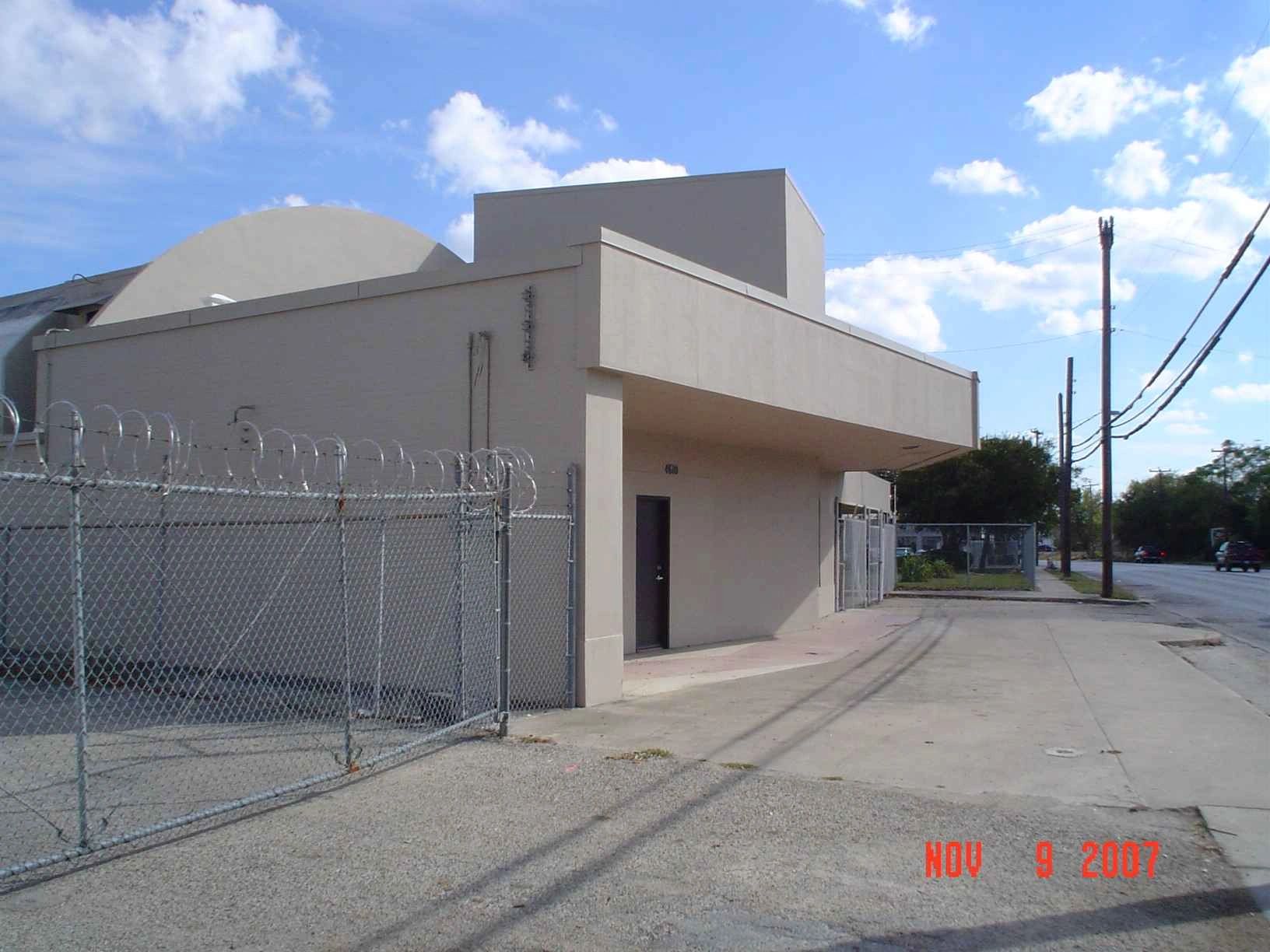
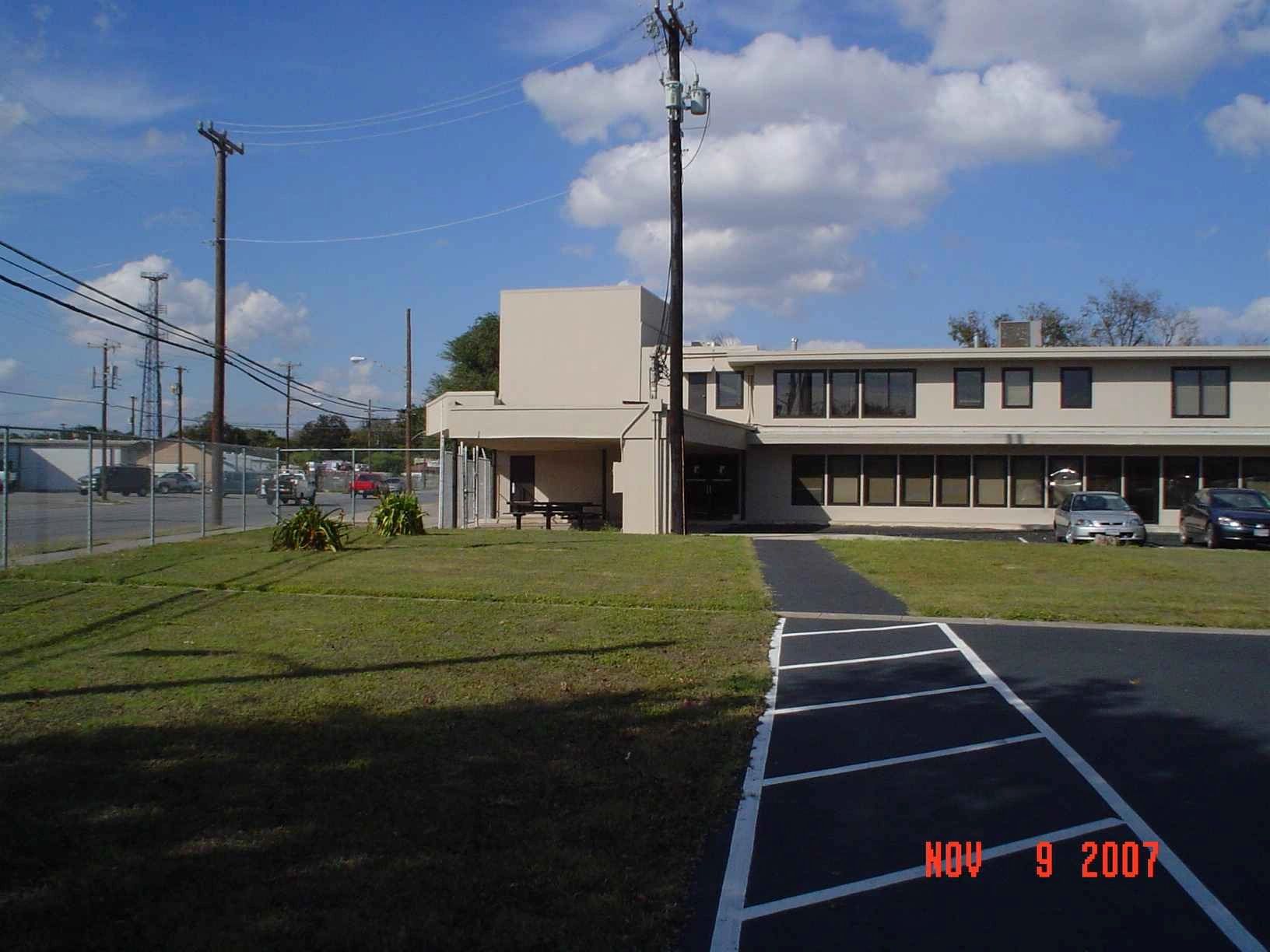
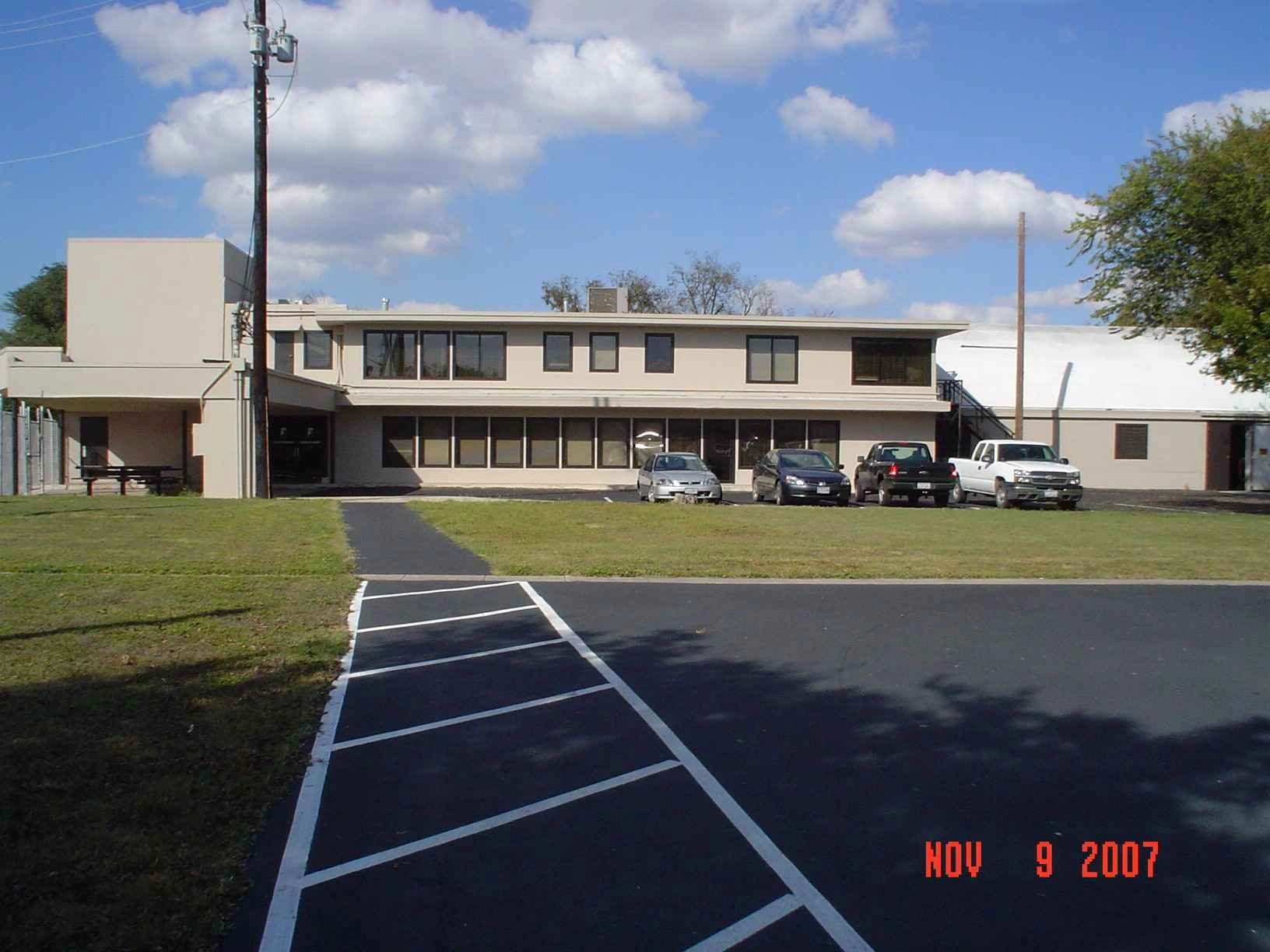
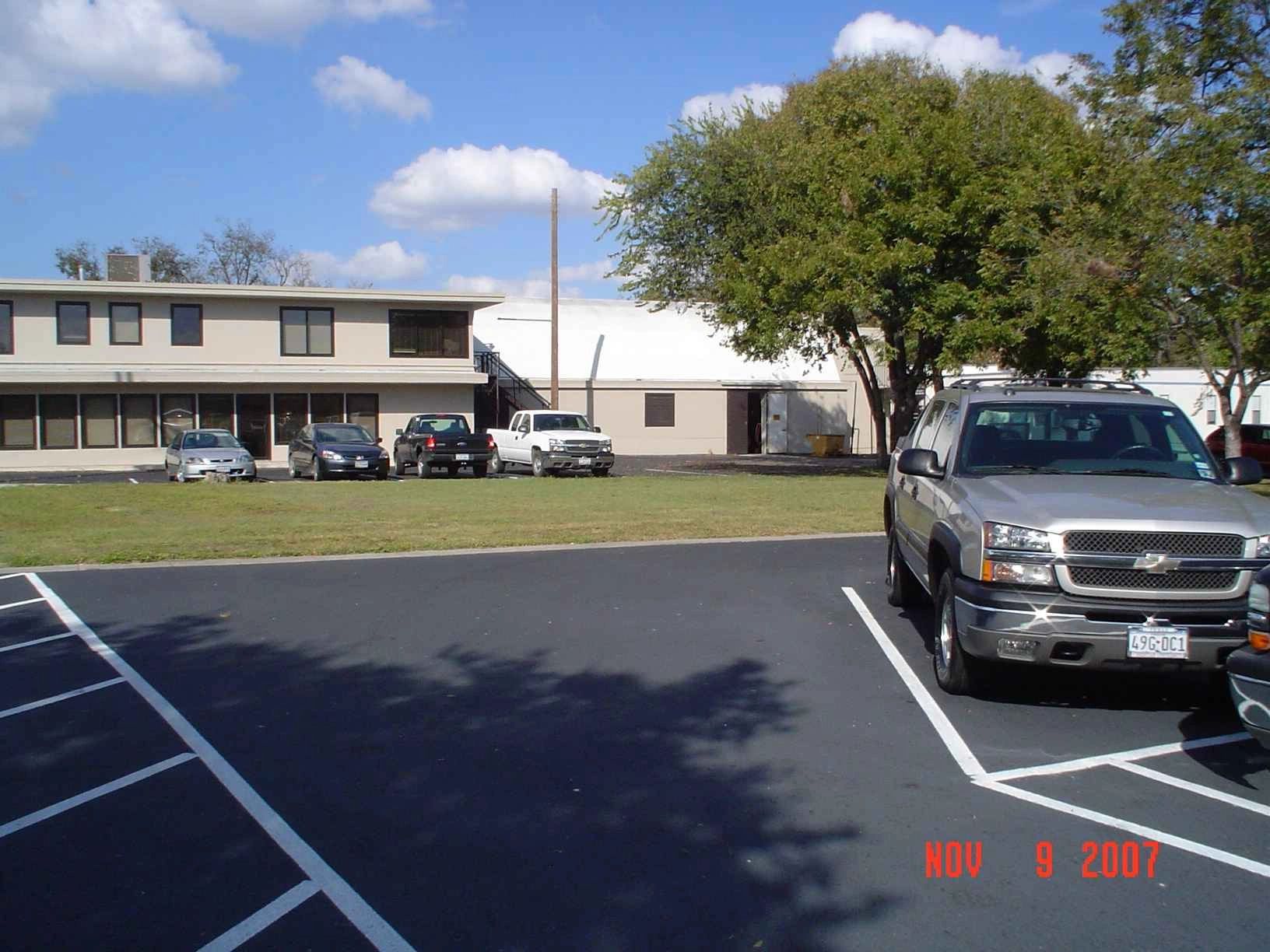
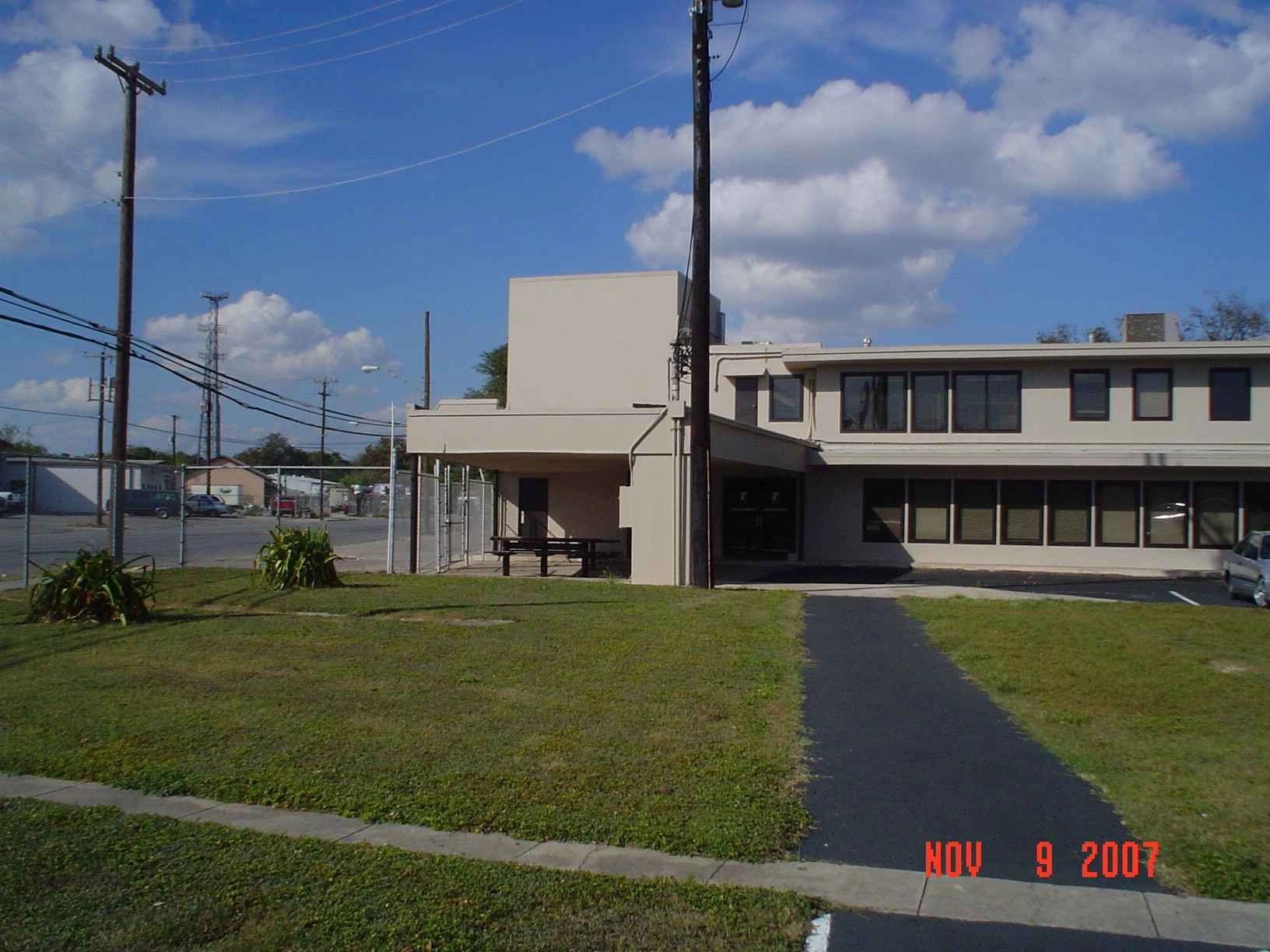
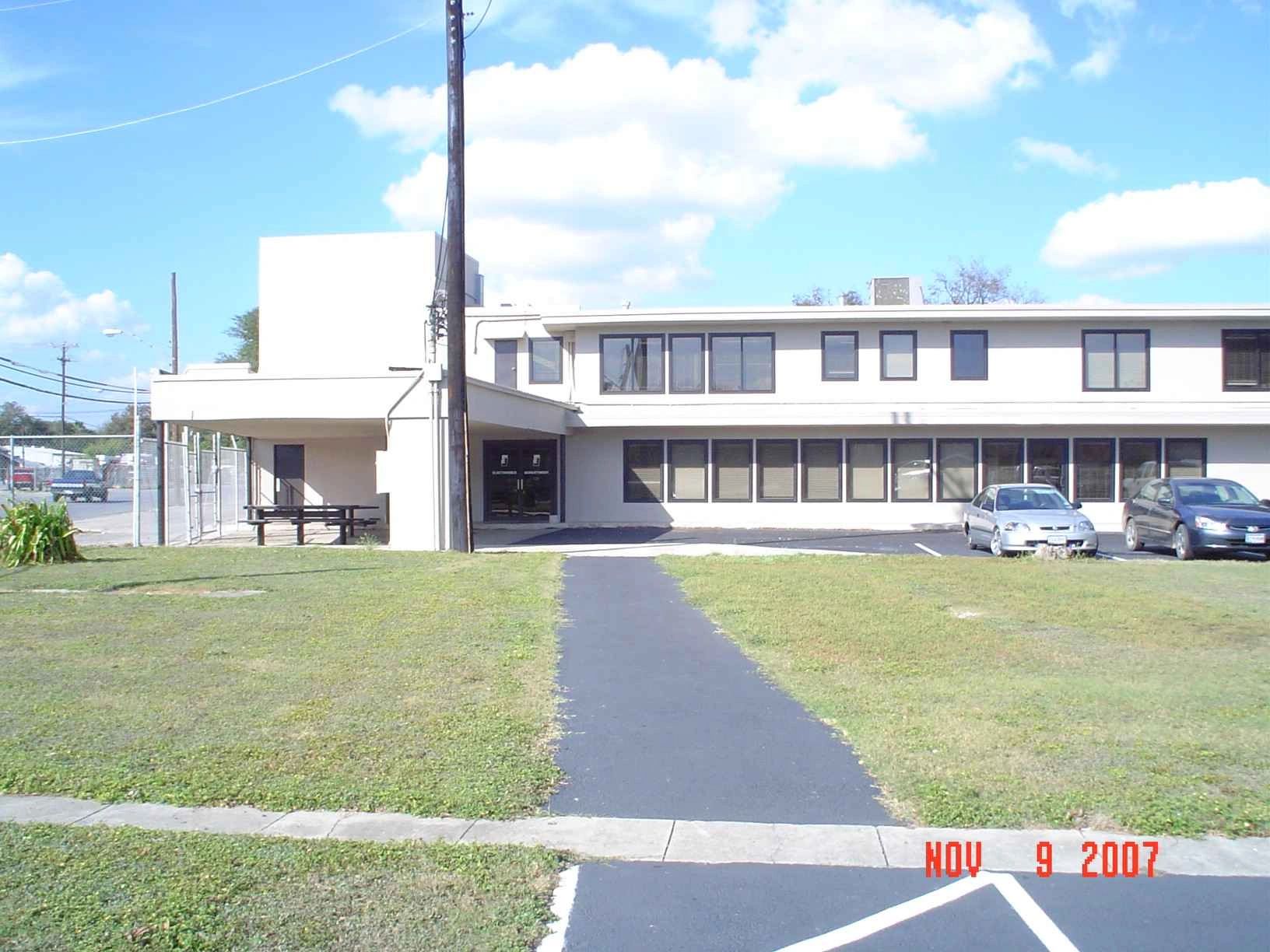
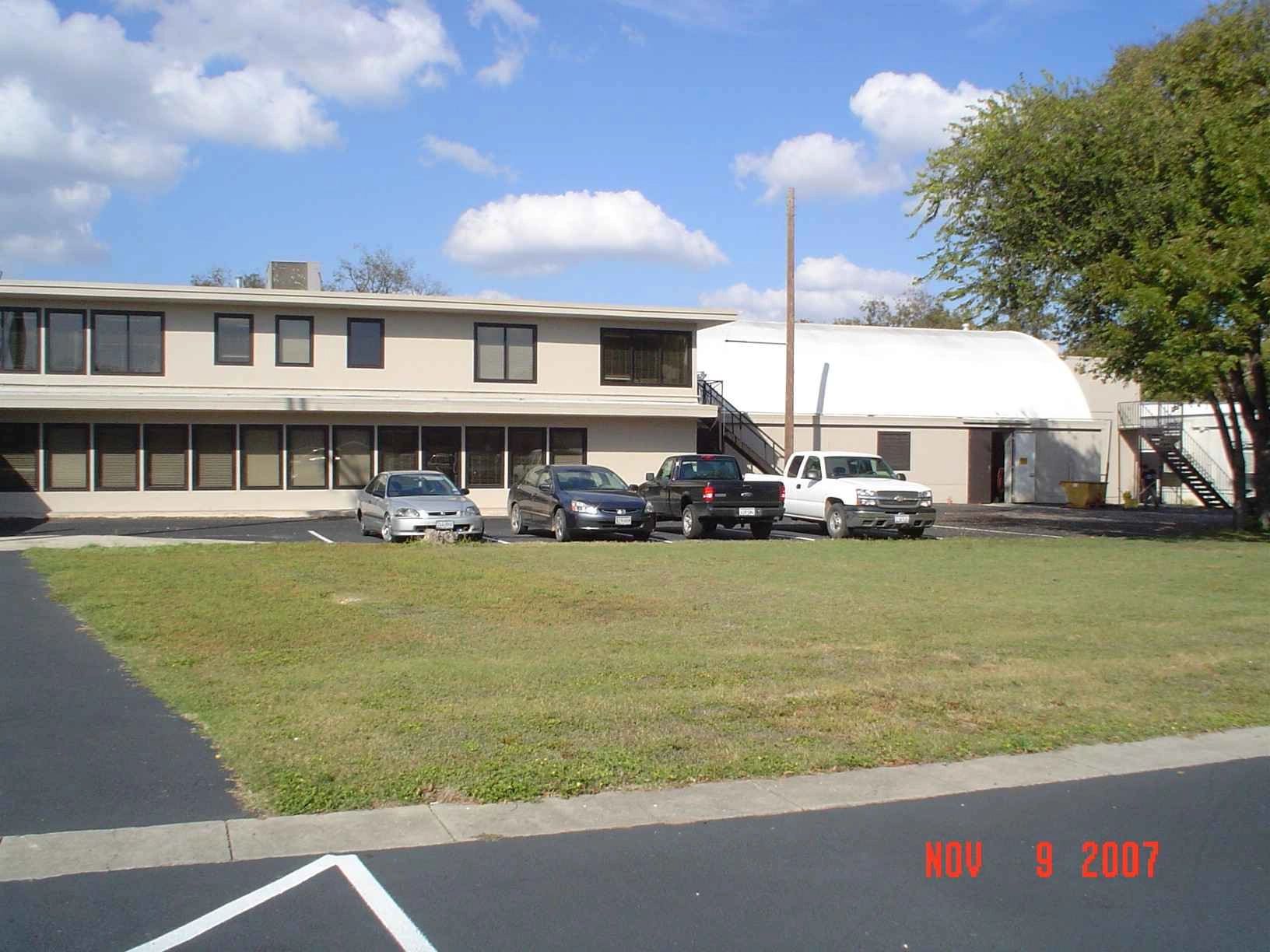
Now & Then

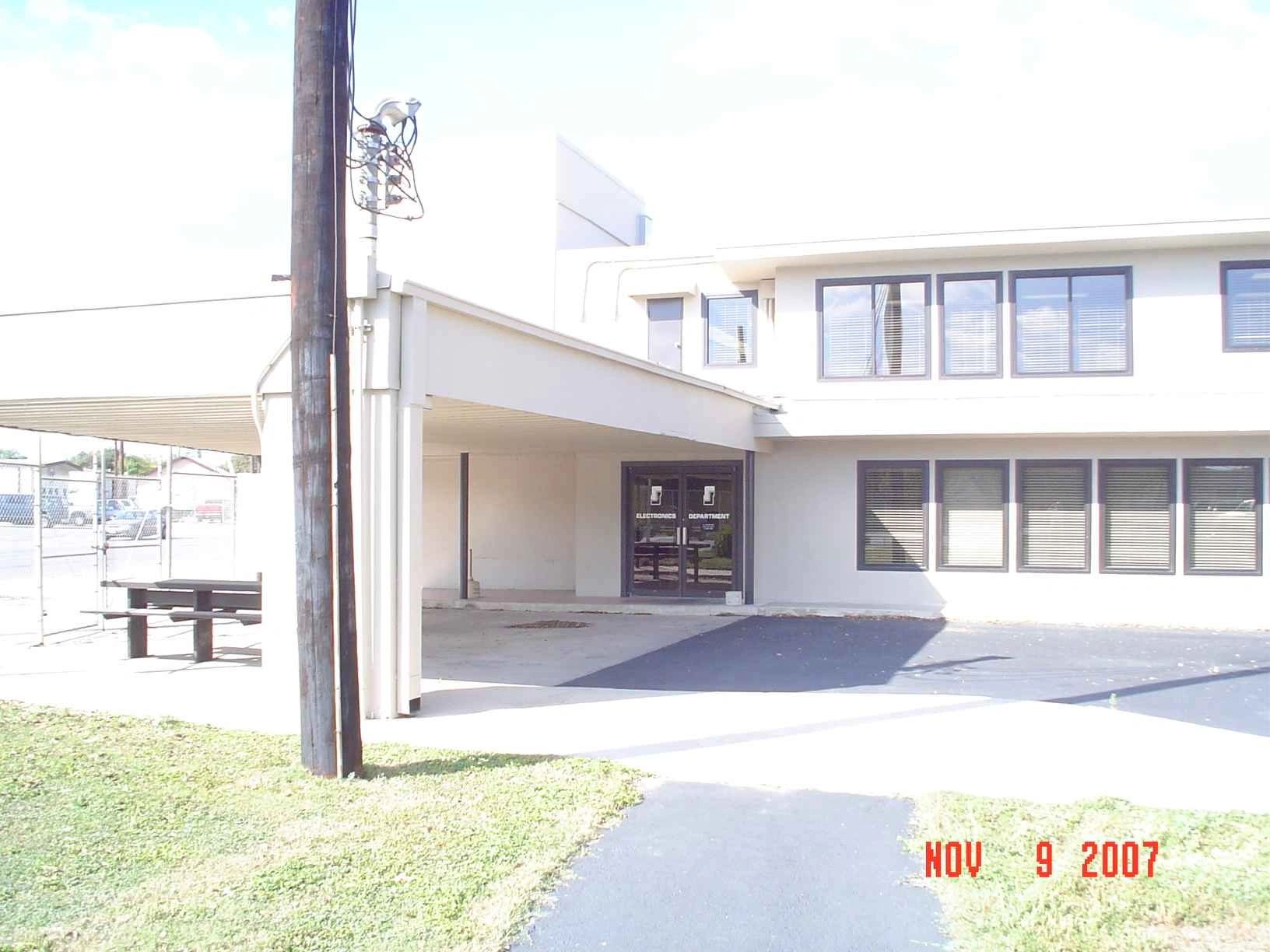
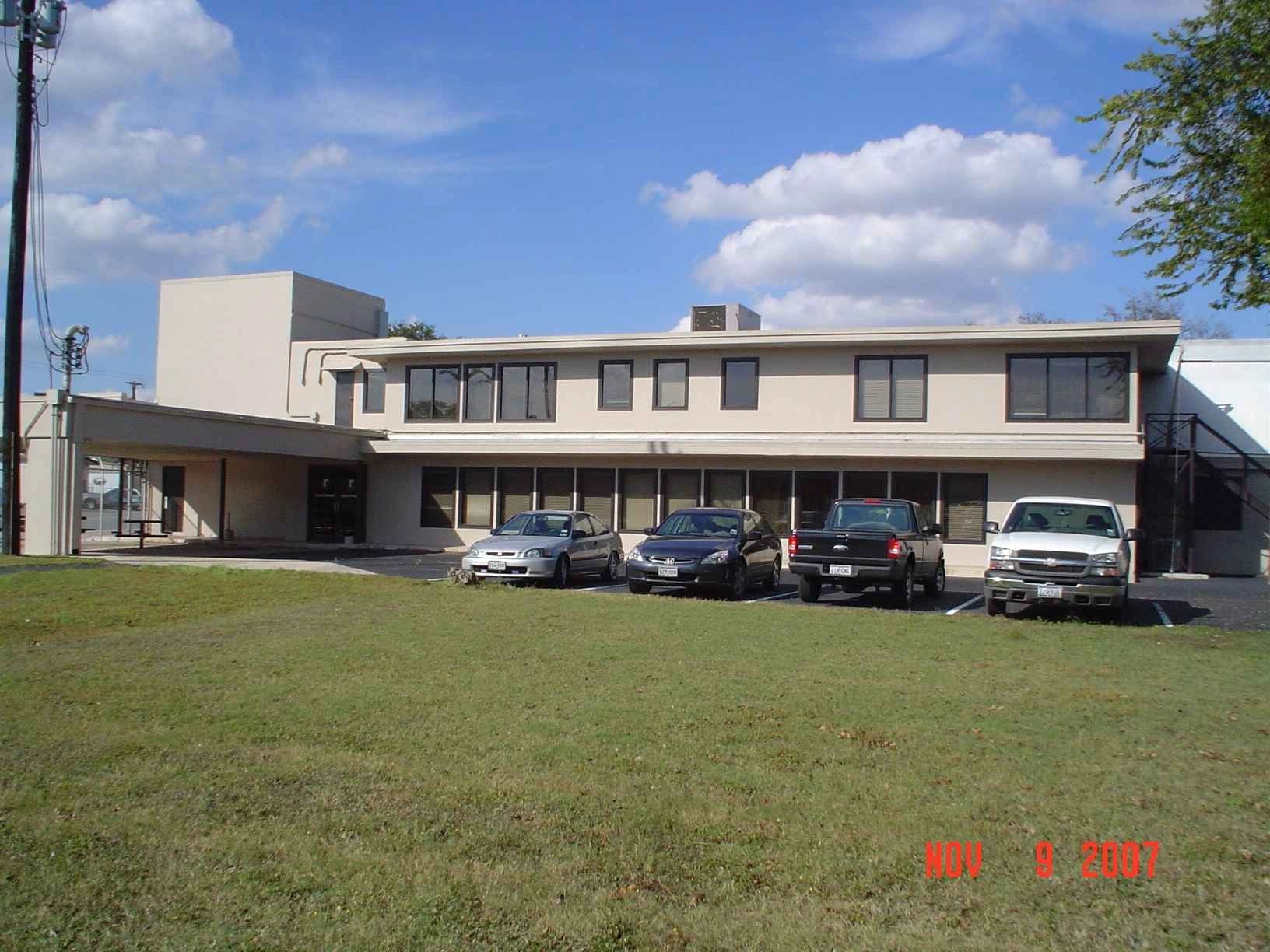
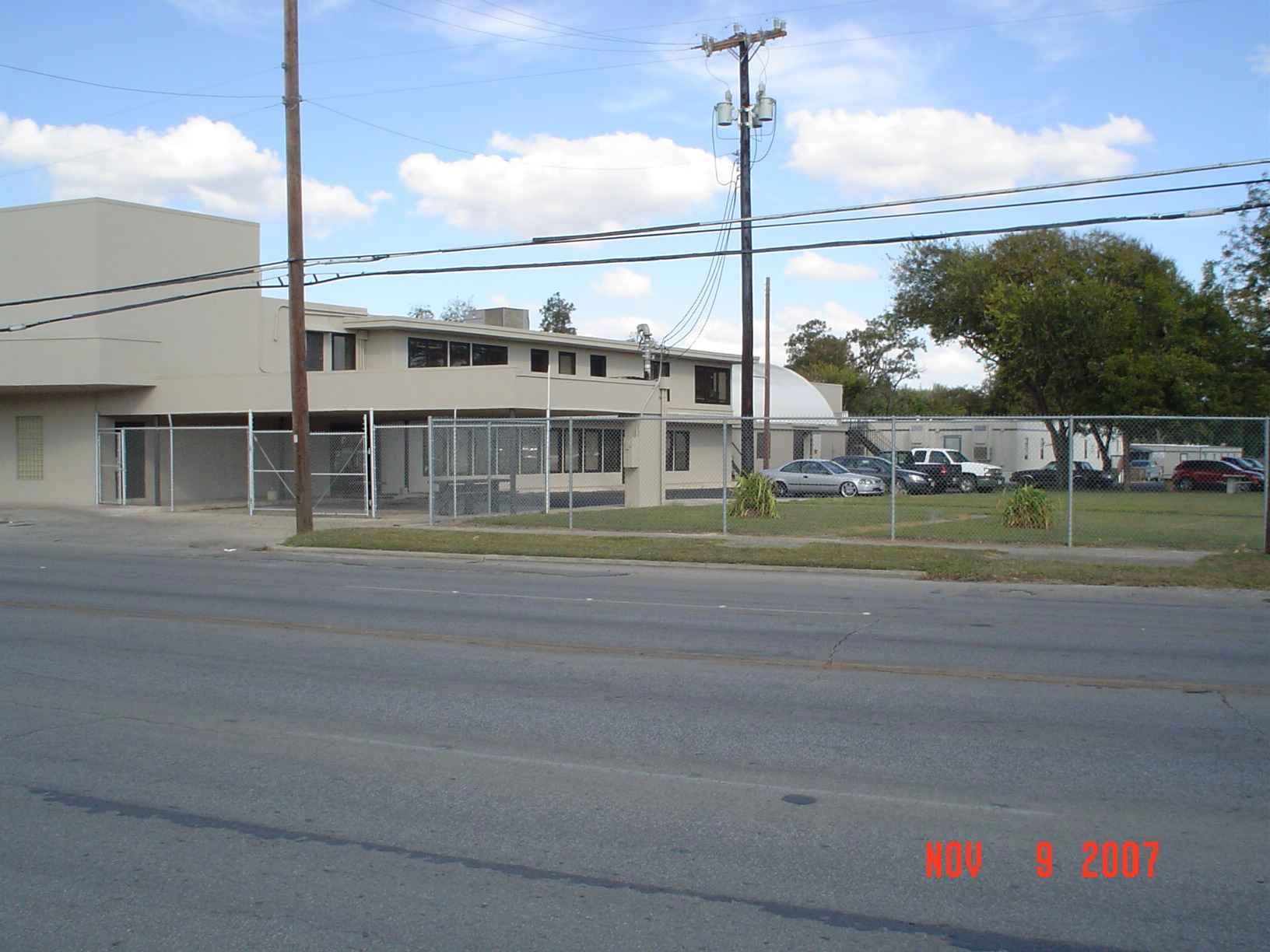
Photo taken by Gary Yantis.


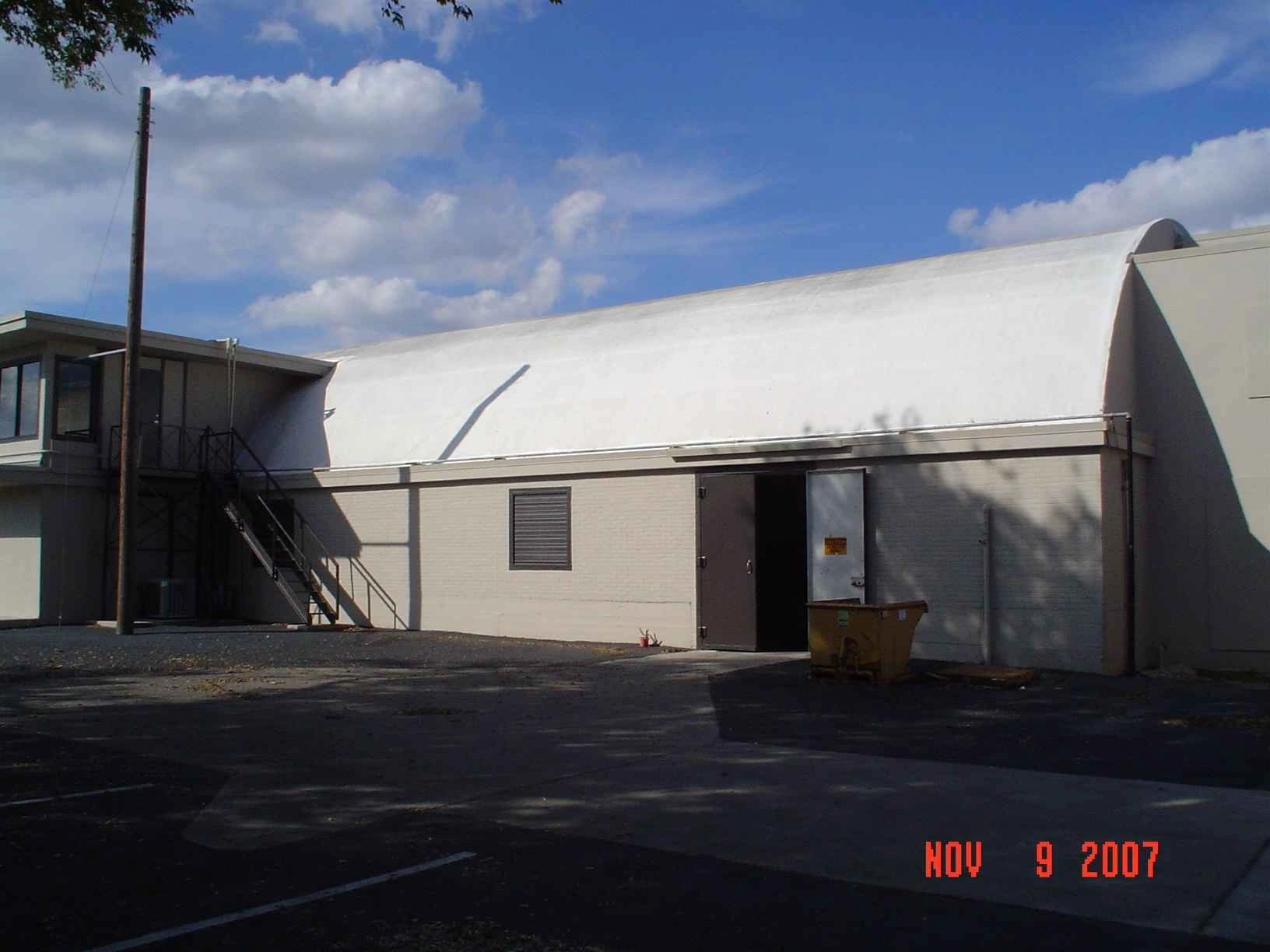
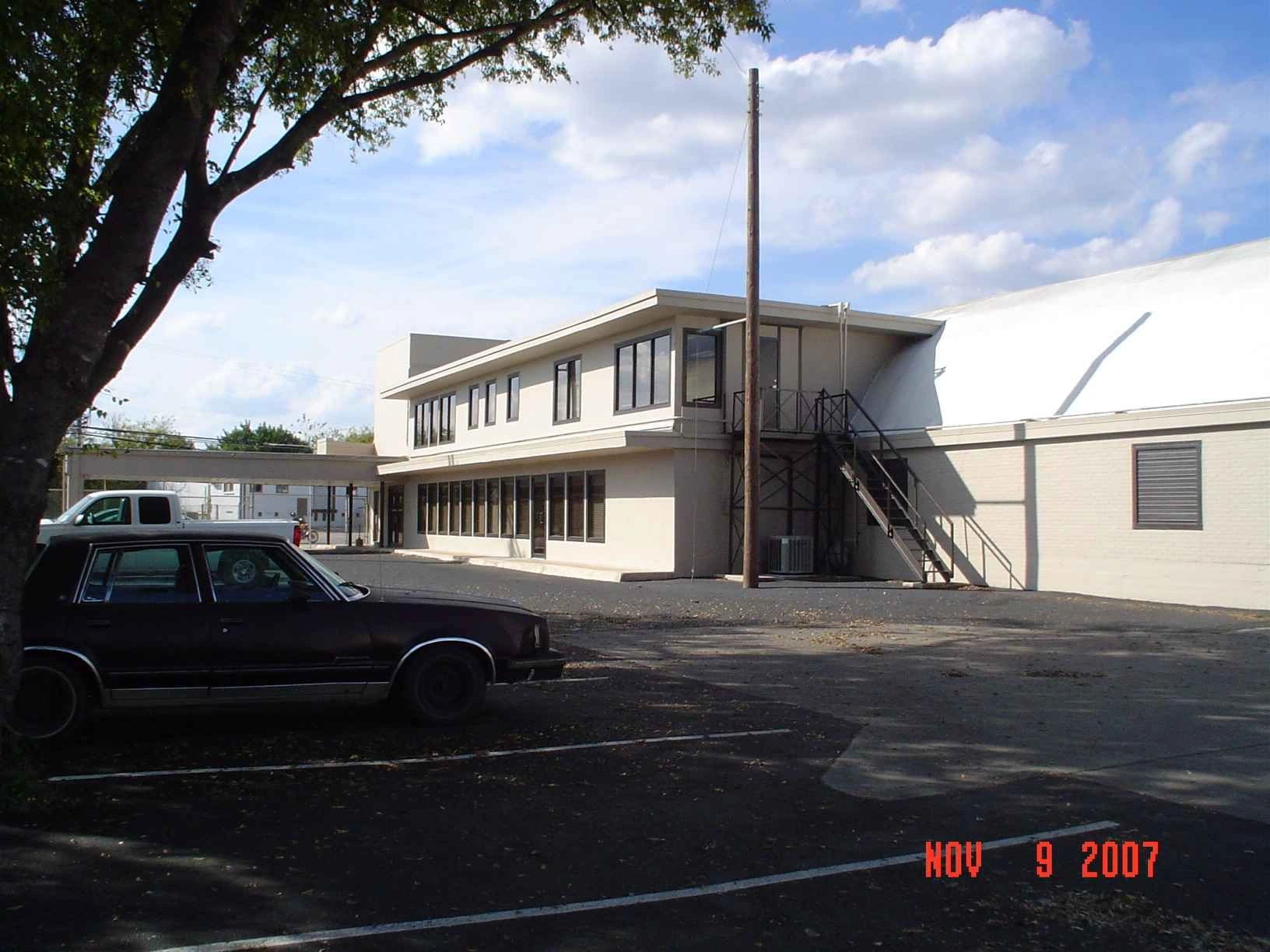
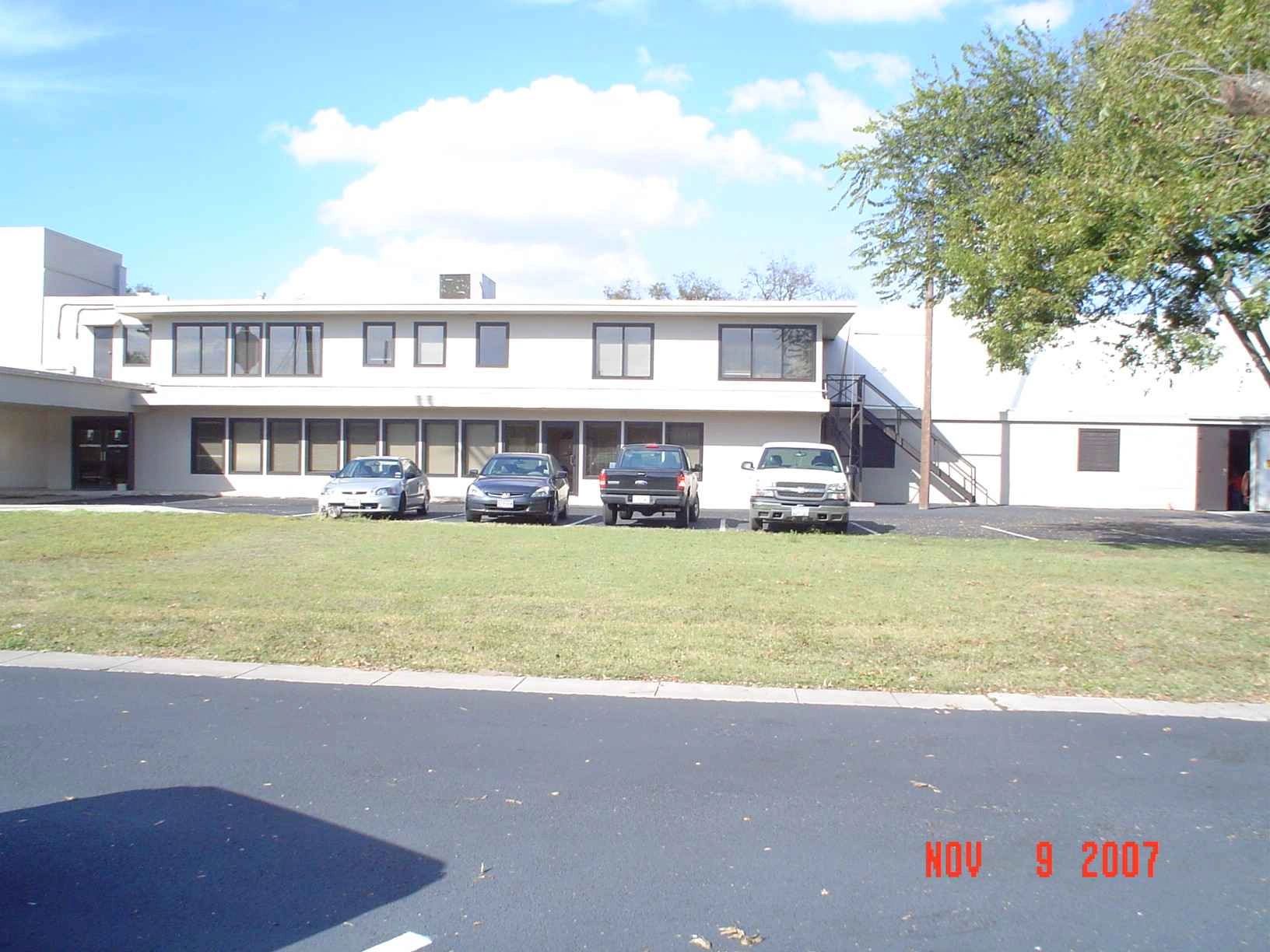
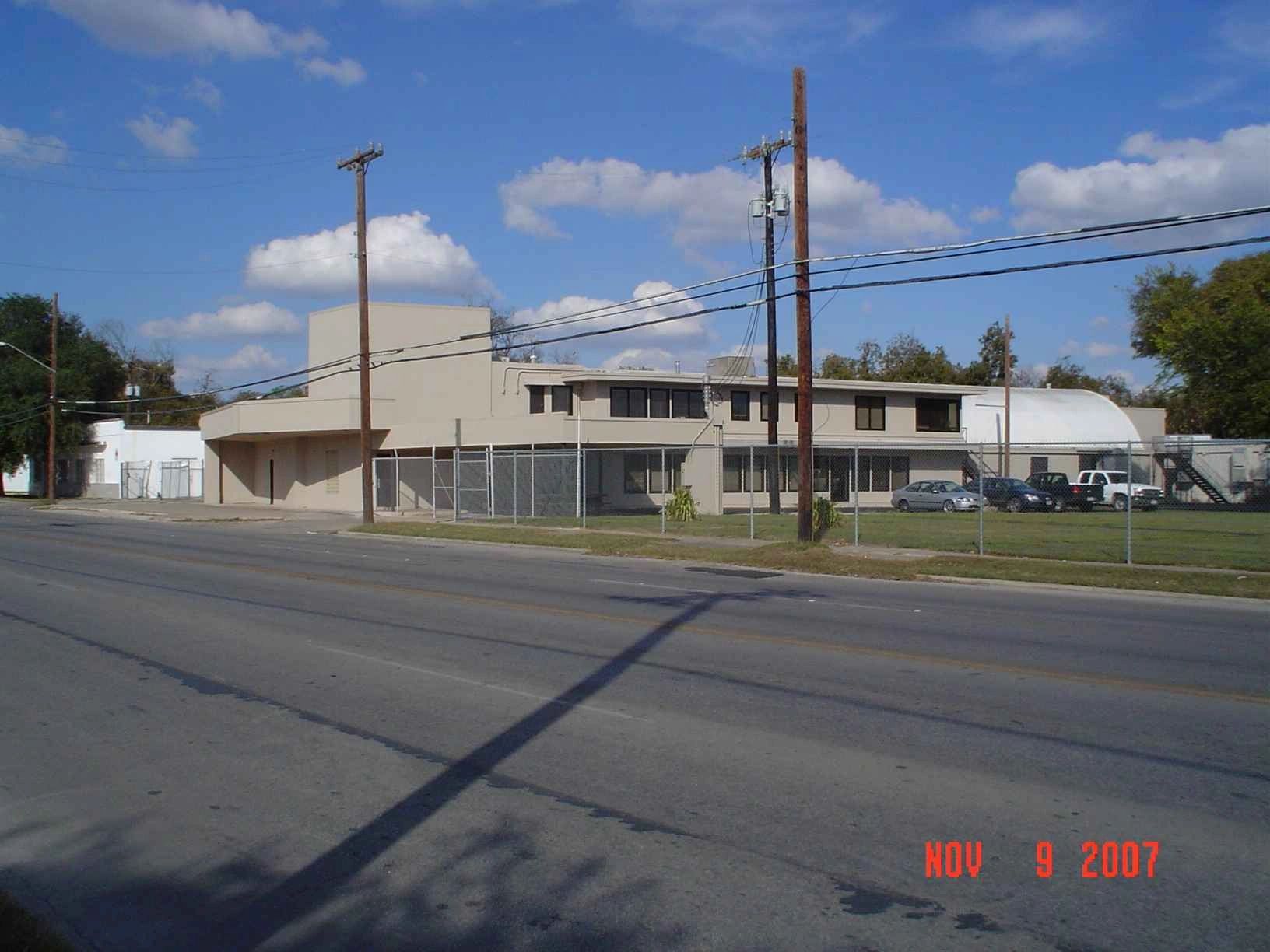
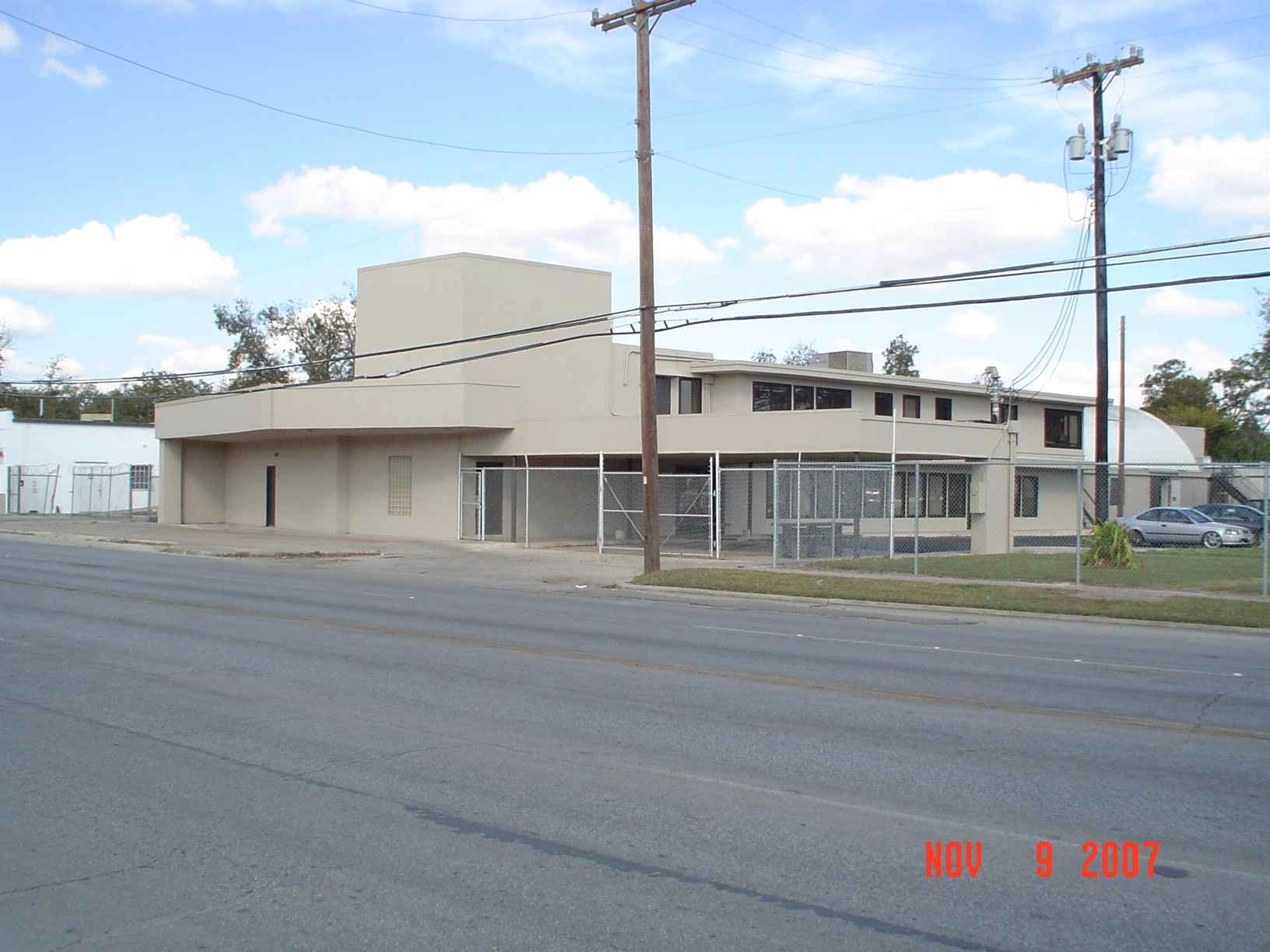
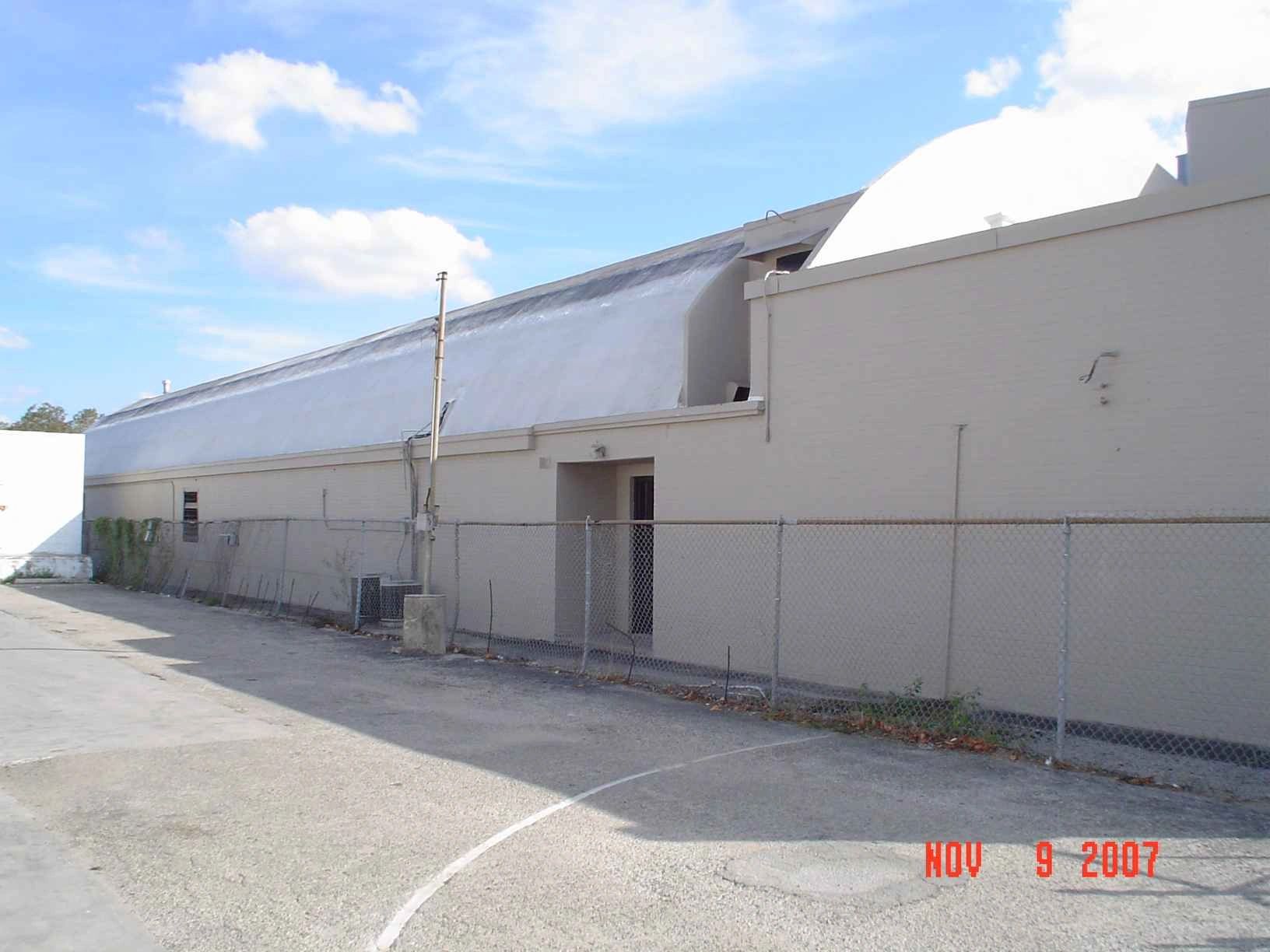
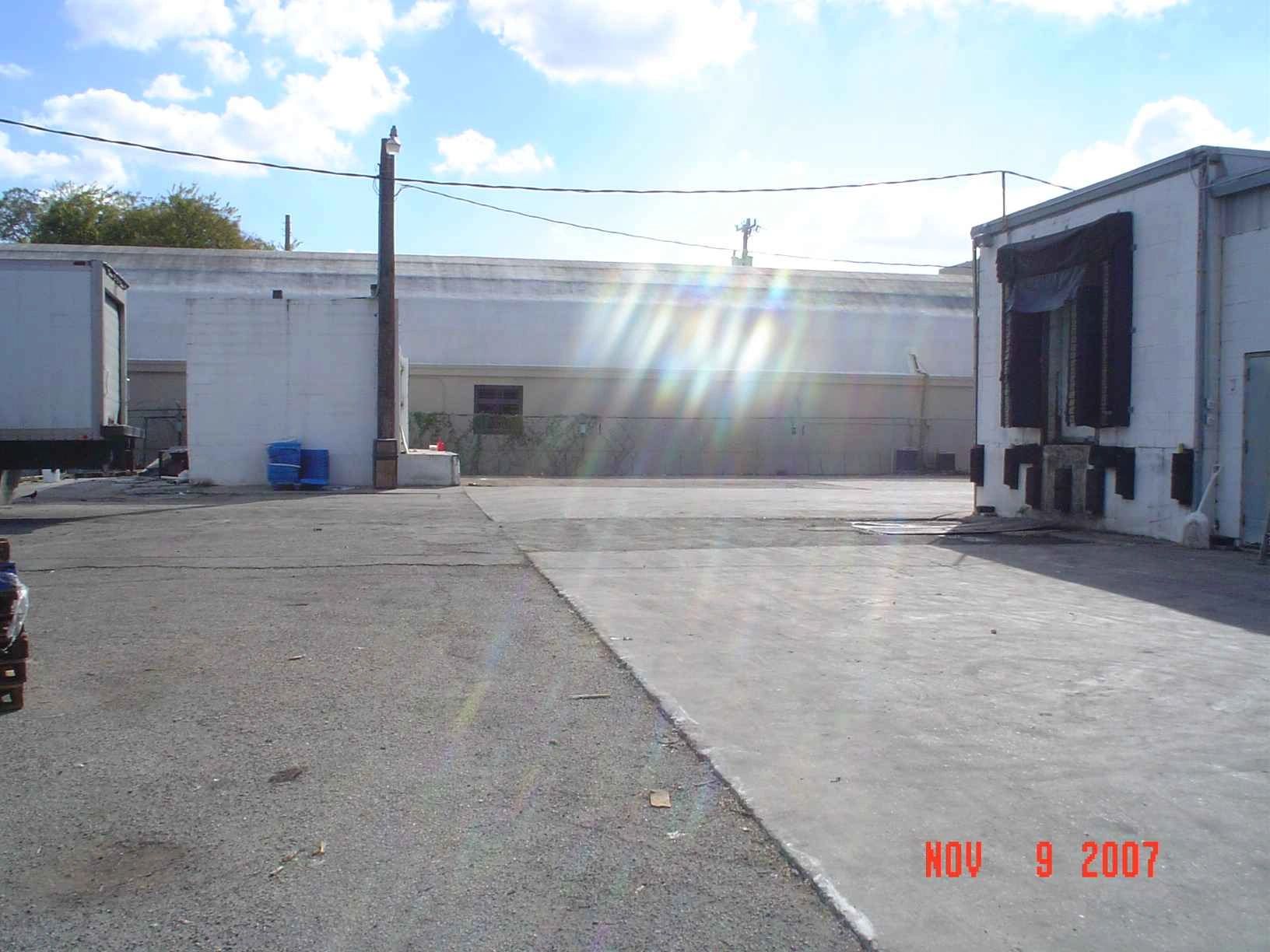
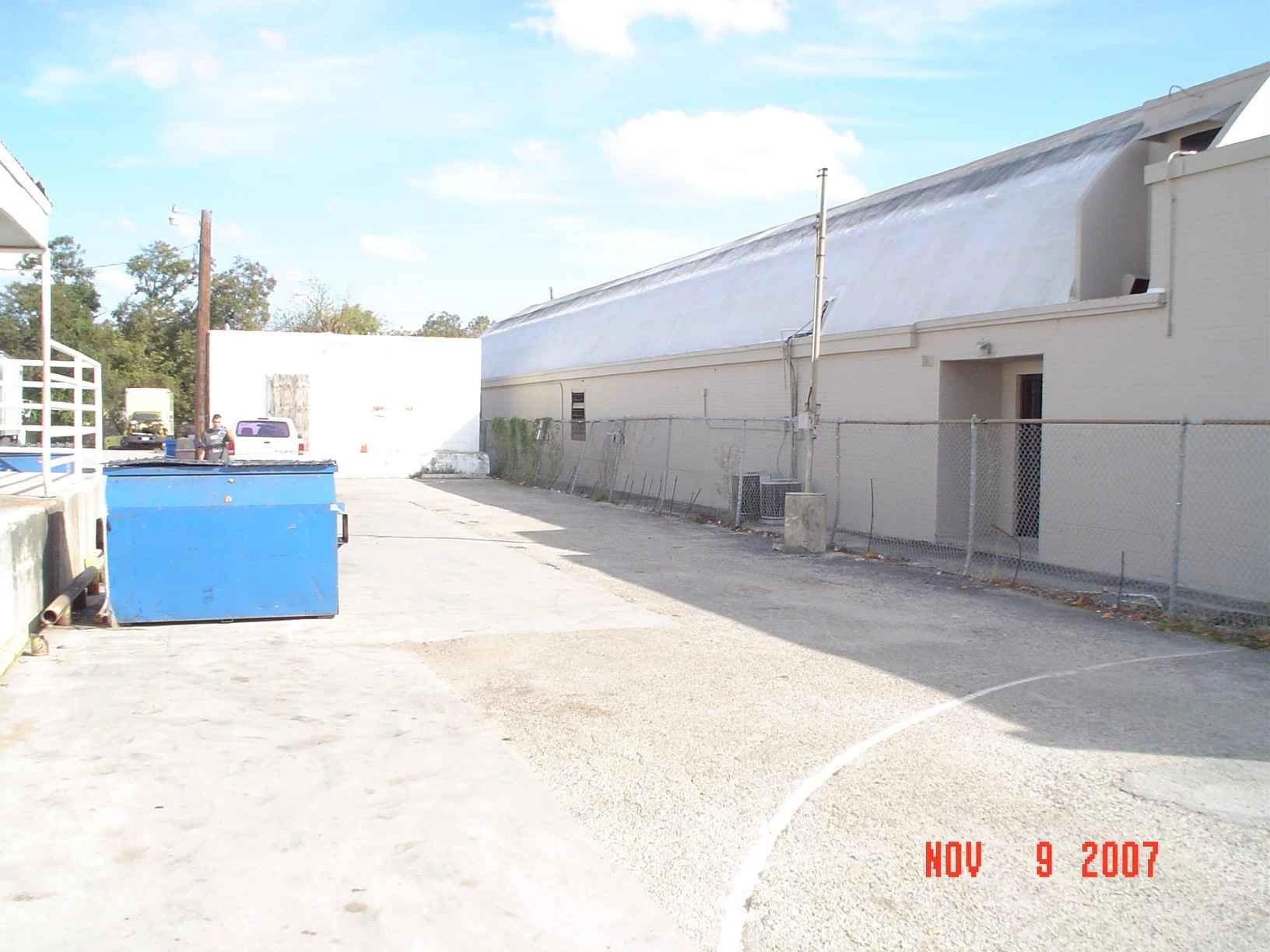
The second and third photos taken by Gerald Lyda.
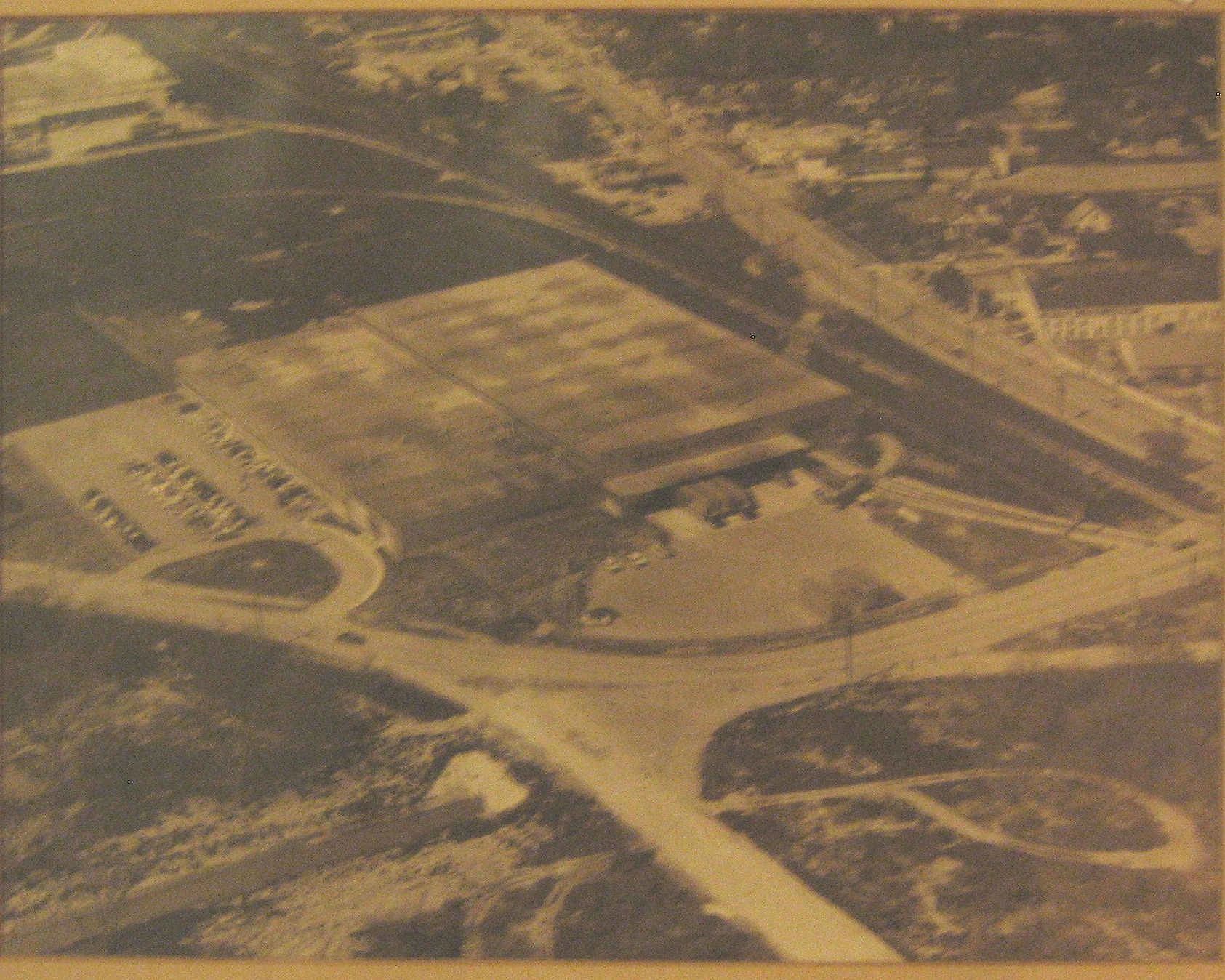
I've got a treat for you. Ms. Barbara Hamzeh contacted me Sunday, November 18, 2007 with some photographs taken by Zintgraff in the late 40's or early 50's showing American Can Company, Southern Steel and the Hi-Ho Theatre while it was open. This is an aerial view of the theatre. Photos used by permission. Double click on the Photo Album to see the photos as a slide show.
WorldWar II was recently over and everyone wanted to build some long-delayed home or business buildings; consequently there was a severe shortage of conventional building materials, particularly studs, joints, and other wood framing lumber. The story was told that somehow architect Milton Ryan obtained a carload of 2x4 ends in various sizes up to a couple of feet long which he laid up like bricks and built a house. He was also said to have done much the same thing with a load of ammunition boxes.
The Great Lakes Steel Company had been supplying Quonset huts for the recent war effort and had developed a building system featuring rolled steel plate units to which other materials could be nailed.
Recently separated from the armed forces, I was employed as a draftsman by the firm of Smith, Pitts, & MacPherson Architects. One of the principals, DeHaven Pitts, was building a residence with the system and Jack Lapham and Johnny Fielder came to us to plan and build the Flying L guest ranch using the Quonset design for several of the buildings.
Gidney Talley brought us his theater project and Gordon Smith designed the building using a Quonset for the auditorium with conventional construction for the remainder. However, as I recall, the
Doug Lansing was employed with the architectural firm of Phelps, Dewees, & Simmons for several years until his untimely demise.
I was later employed by O’Neil Ford until I was recalled into the Air Force, wound up in
Harry R. Geron
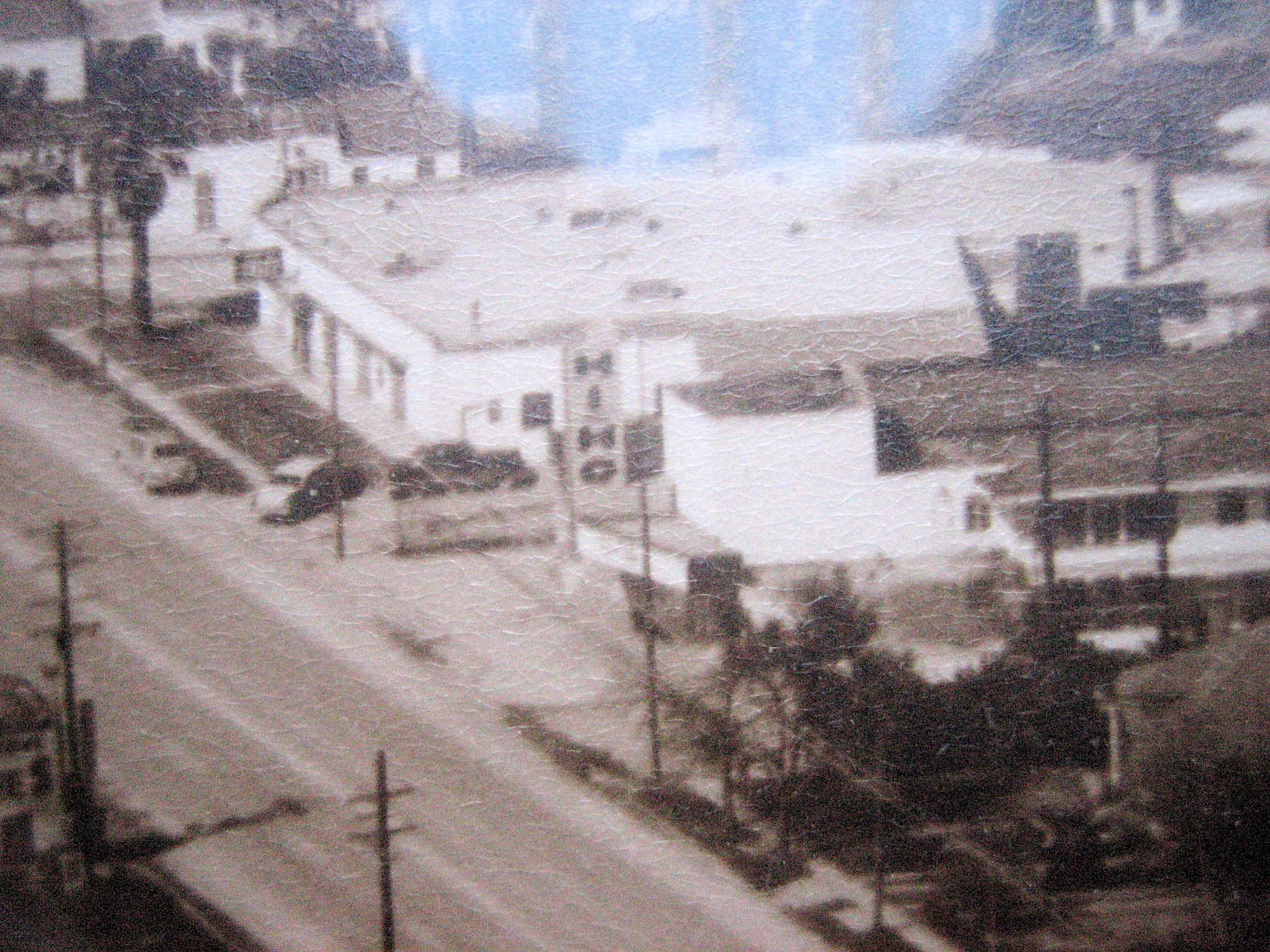
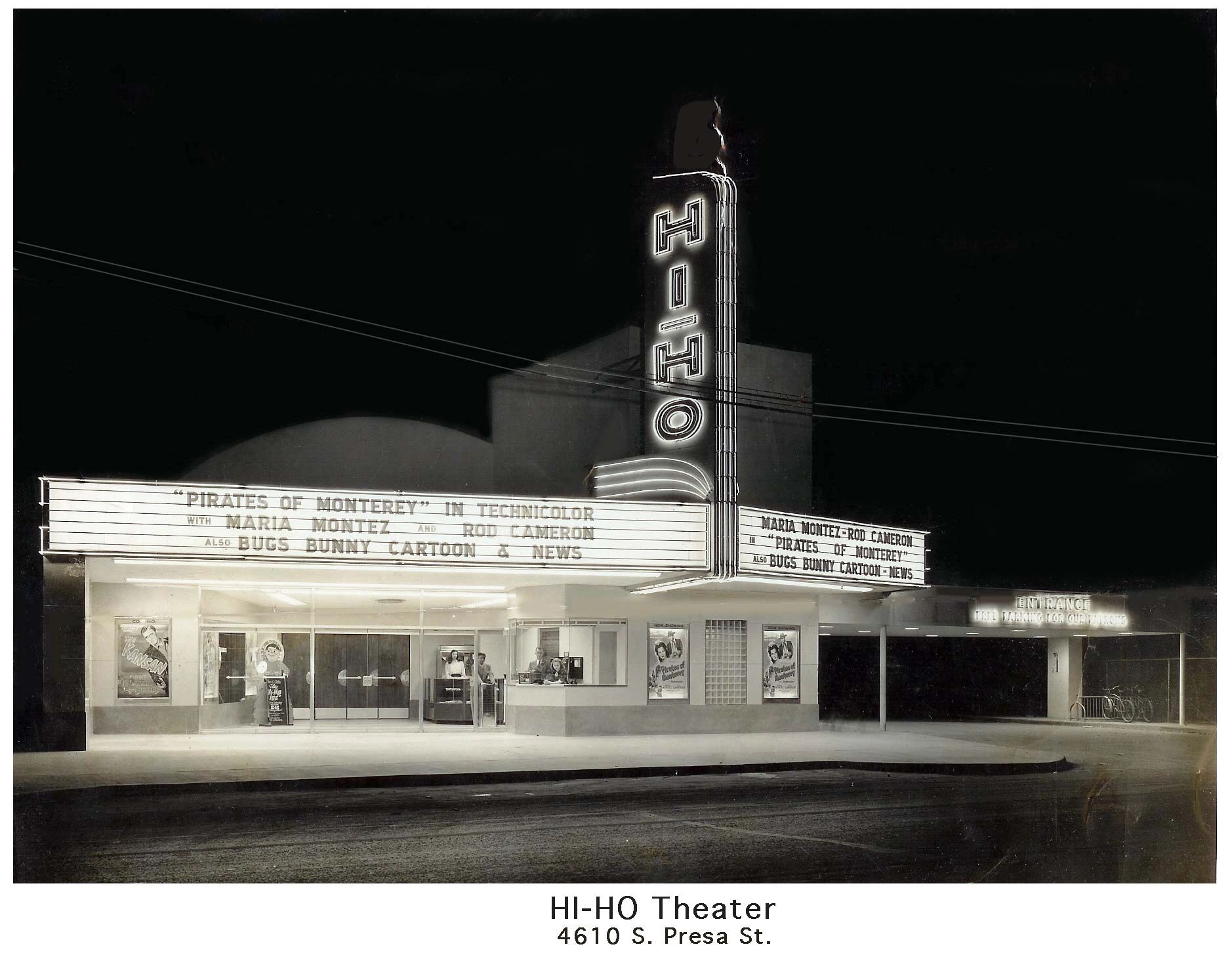
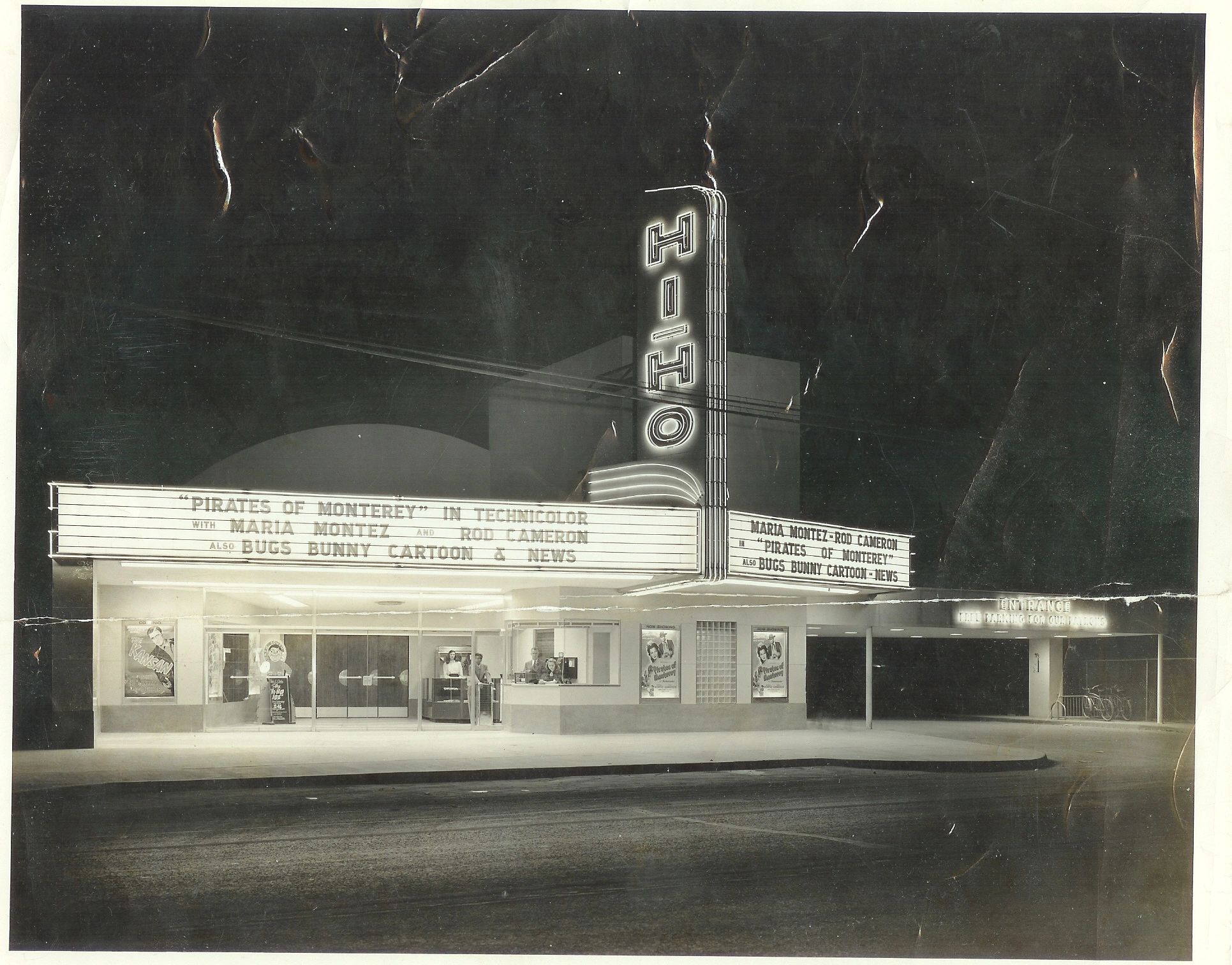
Taken with a Speed Graphic camera. I have the original 8x10. This picture was given to me by the long time projectionist at the Hi Ho years ago. Be sure to enlarge and zoom in the quality is amazing.
Thanks for the memory of all the great Saturdays I spent at the Hi Ho!
Bruce Davis
Former Hot Wells Blue Devil
John Bird was the projectionist and probably the photographer.
The below image of the Hi-Ho Theatre was tweaked by Mel Brown (image 1), Original (image 2) provided by Bruce Davis.
Mel Brown brought to my attention that the camera used (Speed Graphic) was the camera of choice by most newspapers so it might be assumed that this picture was taken by a photographer for either the the Light, the Evening News or the San Antonio Express.
He also researched the movie, Pirates of Monterey. The film came out in 1947, the same year that the theatre opened. So the theatre is new. I looked up Pirates and it was released Dec 1, 1947. I assume it did not get to the Hi-Ho until January or February, 1948.
The theatre opened September 28, 1947, so it would have been about 4 months old when the movie was showing.
Pirates of Monterey:
http://www.imdb.com/title/tt0039709/
I would like to thank Mr. John Legros, manager at Southern Folger, for allowing me to take photographs inside the property line.
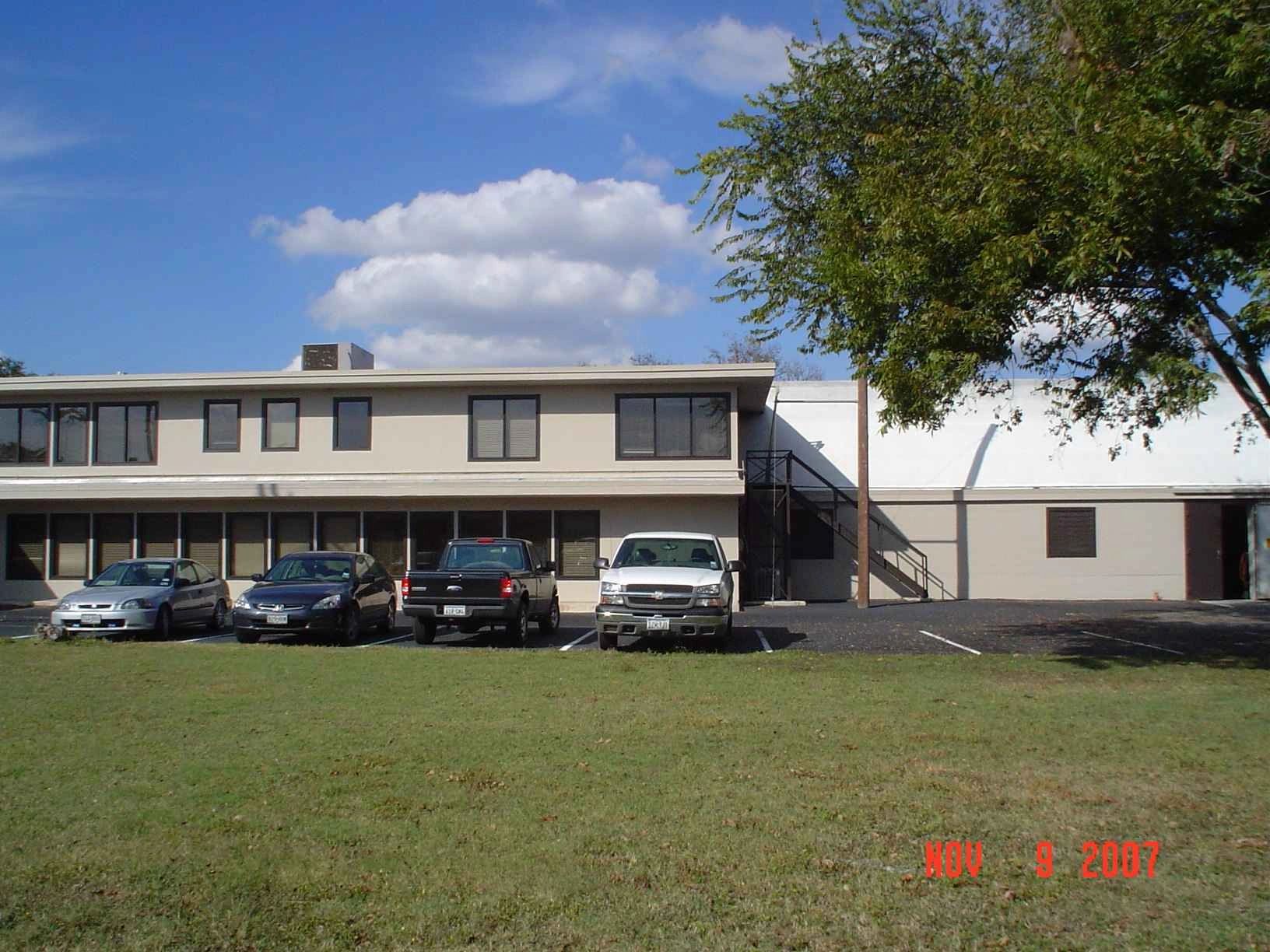
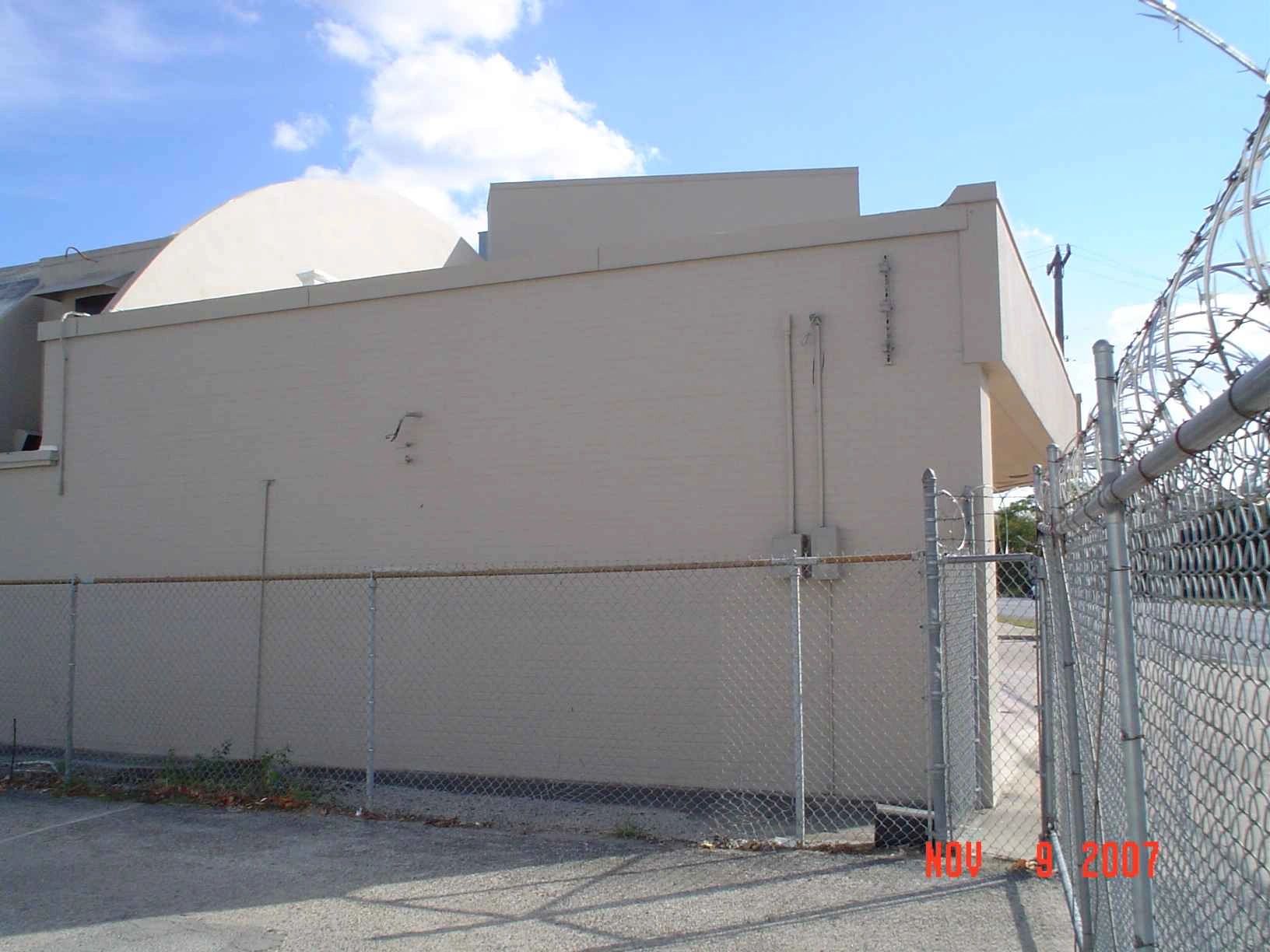
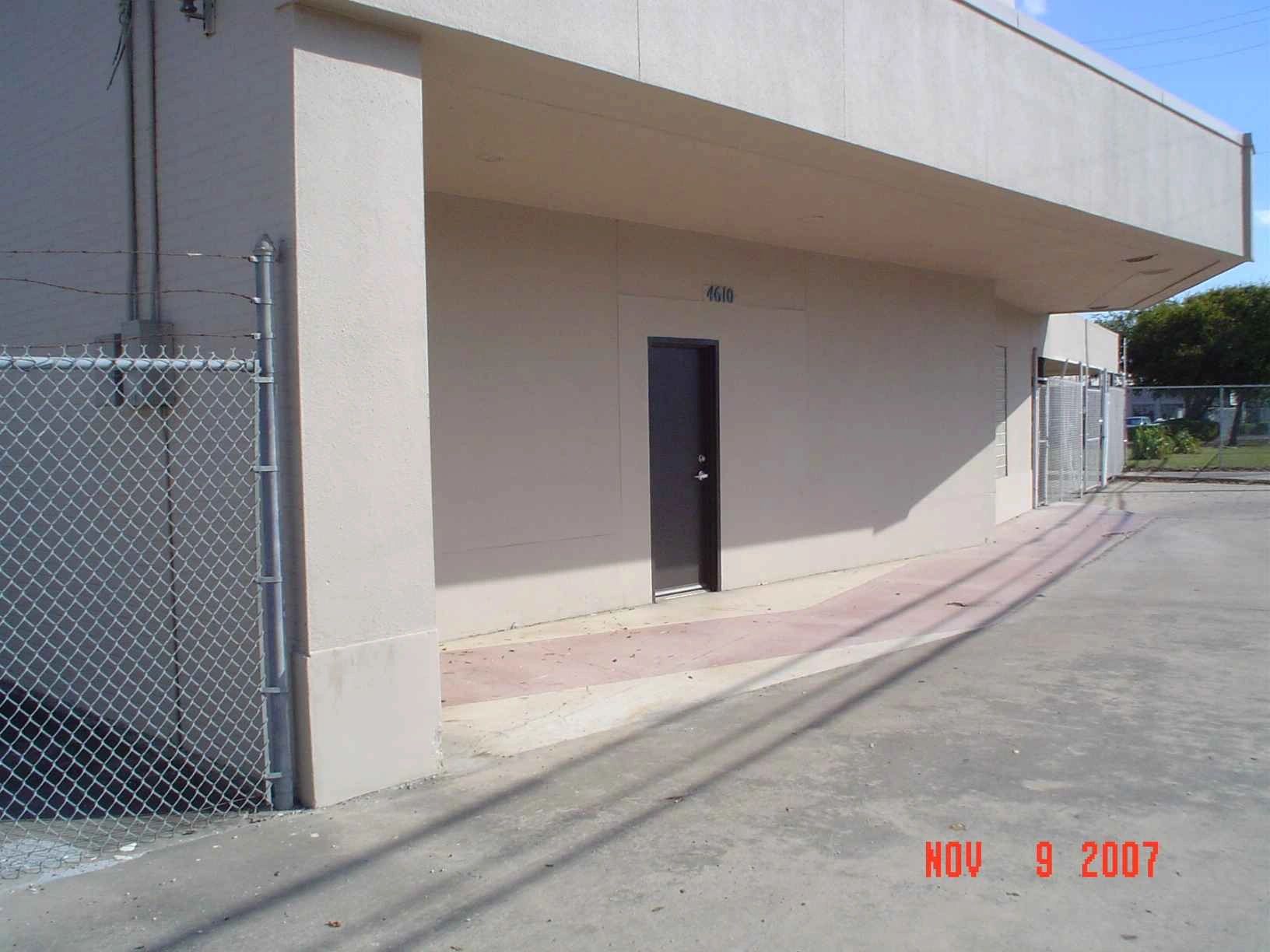
Double click on the Photo Album to see a slide show. The 23 twenty three photos in the album were taken by Gary Yantis on Friday, November 9, 2007.
Jim Miller, our new addition, has provided some pics of the It Theatre, owned by Gidney Talley. The theater was located in Matthis, Texas. It was a clone of the Hi-Ho Theatre. Below is a picture of the auditorium and it was the same as the Hi-Ho. For more information on Gidney Talley see Jim Miller second page.